Reviewed by Dr. Narang, Dr. Dillon, Dr. D’Silva, Dr. DiMarco, Optometrists at Nicola Eye Care
Your child reads the board at school, finishes their homework, and never complains about their eyes. So their vision must be fine, right?
Those signs do not always tell the full story.
Children often adapt to changes in their vision because they have no other point of comparison. A child who has always seen the world a certain way often assumes everyone else sees the same way. Some vision concerns also develop without obvious symptoms.
As families prepare for another school year, backpacks, shoes, supplies, and schedules tend to get the most attention. A routine eye exam deserves a place on the list too.
A comprehensive kids’ eye exam in Kamloops gives your optometrist an opportunity to assess how clearly your child sees, how their eyes work together, and the health of their eyes. It also gives parents a clearer picture of whether their child’s vision is supporting them comfortably at school, at home, and during everyday activities.
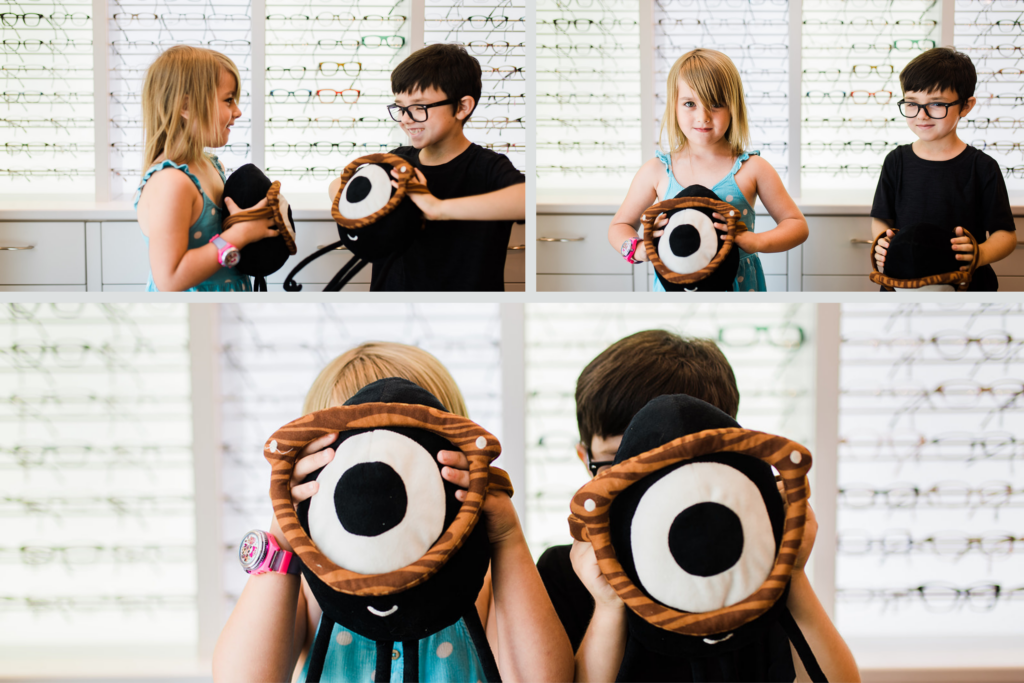
Do children need regular eye exams if they seem to see well?
The Canadian Association of Optometrists recommends a first comprehensive eye exam between six and nine months of age, at least one exam between ages two and five, and annual exams for school-aged children from six to 19.
Children do not always recognize or describe a vision problem. They often adapt, compensate, or assume what they see is normal. A routine exam looks beyond whether a child reads letters on a chart and assesses other parts of vision and eye health.
Why children’s eye exams matter before school
School places consistent demands on a child’s visual system.
Students shift their focus between books, screens, teachers, whiteboards, worksheets, sports, and other activities throughout the day. Comfortable vision supports many of those tasks.
A vision concern might affect:
- Seeing information at a distance
- Reading comfortably at close range
- Moving focus between near and far objects
- Keeping their place while reading
- Using both eyes together
- Staying comfortable during prolonged close work
- Participating in sports and other activities
Vision is only one part of learning, attention, reading, and classroom performance. A headache, difficulty concentrating, or reluctance to read does not automatically point to an eye problem. Still, an eye exam helps rule vision concerns in or out when parents or teachers notice changes.
Nicola Eye Care provides children’s eye exams as part of its comprehensive eye care services for Kamloops families. The clinic recommends yearly exams once children begin school.
Signs your child might be struggling to see
Some children tell a parent when words look blurry or when their eyes hurt. Others show more subtle signs.
Things worth paying attention to include:
- Squinting to see far away or up close
- Covering or closing one eye
- Sitting unusually close to a television or screen
- Holding books or devices close to their face
- Losing their place frequently while reading
- Frequent headaches, especially after reading or schoolwork
- Avoiding reading or other close-up activities
- Rubbing their eyes frequently
- Tilting or turning their head to look at something
- Complaining about blurry vision
- Complaining about double vision
- Difficulty shifting focus between near and far objects
The Canadian Association of Optometrists also stresses the importance of routine exams because children with vision concerns do not always show noticeable signs.
If something about your child’s vision, reading comfort, or visual behaviour has changed, mention those observations when booking their appointment.
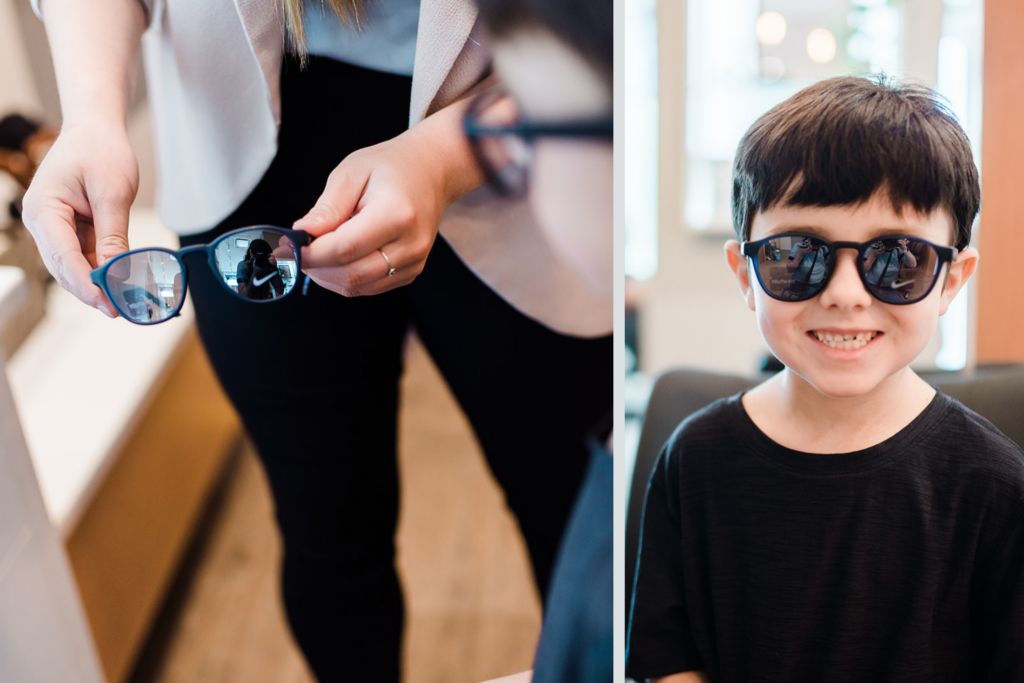
A school vision screening is not the same as a comprehensive eye exam
A child who passed a school vision screening still benefits from routine comprehensive eye exams.
Vision screening serves an important purpose. It helps identify children who appear to need further assessment. A screening does not provide the same depth of evaluation as an examination with an optometrist.
The Canadian Association of Optometrists distinguishes vision screening from a comprehensive eye examination. Comprehensive exams assess more areas of visual function and eye health rather than relying on a limited screening result.
Think of a screening result as one piece of information about your child’s vision rather than a replacement for ongoing eye care.
What happens during a kids’ eye exam?
A children’s eye exam looks at more than whether your child reads the smallest row of letters on a chart.
The exact testing depends on your child’s age, development, eye health, and individual needs. At Nicola Eye Care, comprehensive examinations include visual acuity testing, prescription assessment, eye health evaluation, and testing related to how the eyes function.
Health and family history
Your optometrist starts by learning more about your child.
Parents should mention:
- Previous vision concerns
- Current glasses or contact lenses
- Eye injuries or surgeries
- Relevant health conditions
- Medications
- Family history of eye or vision conditions
- Concerns raised by teachers or other health professionals
- Changes you have noticed at home
This background helps the optometrist decide which areas require extra attention during the appointment.
Visual acuity
Visual acuity testing measures how clearly your child sees.
For younger children who do not read letters yet, optometrists use age-appropriate methods rather than expecting a traditional letter-chart response.
Prescription testing
The optometrist assesses whether your child has a refractive error such as nearsightedness, farsightedness, or astigmatism and whether glasses would improve vision.
Children do not need to know their prescription feels “wrong” before testing takes place. The examination provides objective information alongside your child’s responses.
Eye coordination and focusing
Seeing clearly involves more than each eye working separately.
The examination also looks at how the eyes move, track, focus, and work together. These skills matter during activities such as reading, copying information from the board, using a screen, or switching attention between near and distant objects.
Eye health
A comprehensive examination also assesses the physical health of the eyes.
Nicola Eye Care uses diagnostic technology as part of its comprehensive exams, with testing selected according to a patient’s age and individual needs.
For children aged 10 and older, Nicola currently includes ultra-wide retinal imaging with an additional fee. Children younger than 10 do not currently pay a fee for their routine child eye examination at Nicola Eye Care.
Your questions and recommendations
The appointment is also an opportunity to discuss anything you have noticed.
After testing, your optometrist will explain the findings and recommend next steps. Depending on the results, the next step might involve routine monitoring, glasses, further testing, or another form of eye care.
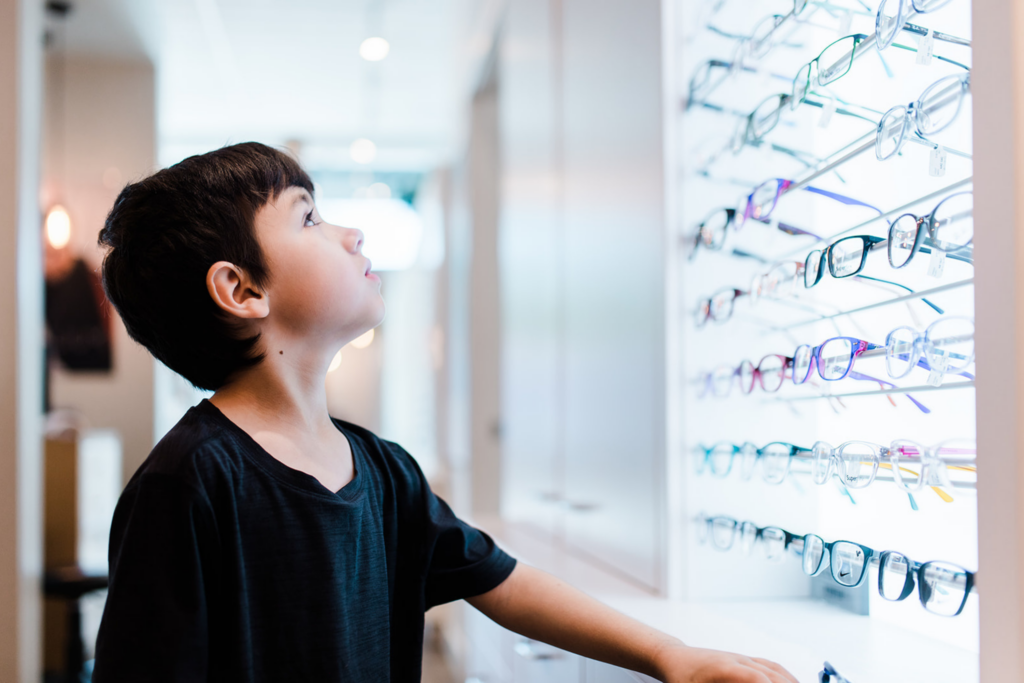
How to prepare your child for an eye exam
A little preparation often makes the appointment feel more familiar.
Keep your explanation simple. You might tell your child the eye doctor is going to check how their eyes see and work.
Try to avoid describing the appointment as a test they need to “pass.” There are no right or wrong eyes, and children do not need to prepare answers beforehand.
Before the appointment:
- Bring any glasses your child currently wears.
- Bring relevant medication and health information.
- Write down symptoms or concerns you want to discuss.
- Mention previous eye problems or appointments.
- Share any concerns raised by your child’s teacher or another health professional.
- Tell Nicola Eye Care ahead of time about sensory, communication, developmental, or anxiety-related needs which might affect the appointment.
If your child feels nervous in medical environments, tell the clinic when booking. Giving the team information ahead of the visit helps them understand your child’s needs before the appointment begins.
What if my child is nervous about their eye exam?
Avoid making a long list of everything the appointment might involve. A simple explanation usually works better.
Tell them someone will look at their eyes, ask them to look at pictures or letters, and check how their eyes work.
It also helps to avoid phrases such as “this won’t hurt” unless your child asks about discomfort. Introducing a concern they had not considered sometimes creates unnecessary worry.
Let your child know they are allowed to ask questions. Parents should also tell the Nicola Eye Care team about previous difficult health-care experiences, communication needs, sensory sensitivities, or anxiety before the appointment.
What happens if your child needs glasses?
If your child receives their first glasses prescription, the next step is finding eyewear which works for their vision and everyday life.
Understanding the prescription
Your optometrist will explain what the prescription means and when your child should wear their glasses.
Some children wear glasses throughout the day. Others receive different instructions based on their prescription and visual needs.
Choosing a frame
Kids’ frames need to fit properly.
A well-fitted frame should sit comfortably, stay secure during normal activities, and position the lenses correctly in front of the eyes.
Durability matters too. School, sports, backpacks, playgrounds, and everyday kid life place more demands on eyewear than sitting quietly at a desk.
Nicola Eye Care carries more than 1,200 frames in its Downtown Kamloops optical boutique, with options for different ages, styles, fits, and needs.
Choosing lenses
The right lens depends on the prescription, frame, age of the child, and how the glasses will be used.
Your optical team will explain the options and help you decide what makes sense for your child.
Getting used to new glasses
A first pair of glasses feels different.
Some children adjust quickly. Others need a little time to get used to seeing through their new prescription and wearing a frame on their face.
Follow the wearing instructions provided by your optometrist. If the glasses feel uncomfortable, slide down, sit crooked, or your child reports ongoing visual discomfort, contact the clinic rather than assuming they need to live with the problem.
Frames often need small fit adjustments as children wear them.
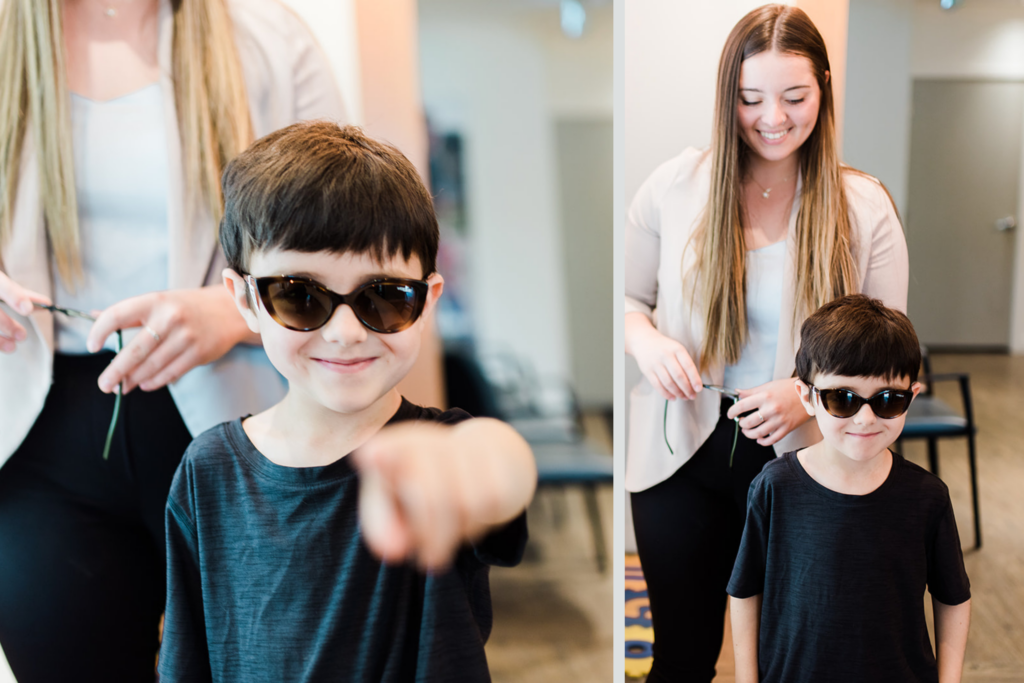
Are children’s eye exams covered in British Columbia?
Yes. Routine eye examinations for children under 19 are an insured benefit under British Columbia’s Medical Services Plan.
Current provincial information states that MSP covers routine eye examinations for children aged 0 to 18. BC Doctors of Optometry lists coverage as one full eye examination annually for children in this age group.
At Nicola Eye Care, children’s routine eye examinations are currently covered annually through BC Medical. Nicola states there is no clinic fee for eye examinations for children younger than 10. Beginning at age 10, the clinic performs ultra-wide retinal imaging, with a current additional fee of approximately $34-$40. Extra costs also apply in some situations, including certain contact lens services.
Coverage for glasses, lenses, retinal imaging, contact lens services, or other additional services depends on the service and your family’s benefits.
Some families also have extended health coverage for eyewear or additional vision-care expenses. Nicola Eye Care currently bills most extended benefit companies directly when the plan supports electronic claims. Some plans require patients to pay first and submit their own claim. The clinic does not have access to the details of an individual patient’s private insurance coverage, so families should check their plan before the appointment.
When should parents book a kids eye exam in Kamloops?
Eye exams do not need to wait until a child reports a problem.
Current Canadian guidance recommends:
- Infants: first comprehensive eye exam between six and nine months
- Preschool-aged children: at least one comprehensive exam between ages two and five
- School-aged children: comprehensive eye exam every year from ages six to 19
Nicola Eye Care sees children starting as early as six months old and recommends annual appointments once they begin school.
Back-to-school season is a useful reminder to check when your child last had an exam, but their eye care does not need to follow the school calendar.
If your child is due for an appointment, book an eye exam at Nicola Eye Care or call to ask about upcoming availability. Appointment timing varies, so families preparing for school should avoid assuming an appointment will be available before the first day of classes.
Frequently Asked Questions
How often should my child have an eye exam before school starts?
Children should have an eye exam every year once they start school. If your child is due, back-to-school season is a natural time to book, since a clear prescription helps with reading the board, focusing on schoolwork, and staying comfortable through the day.
Is my child’s glasses covered by insurance if they need them?
Coverage for glasses depends on your family’s extended health benefits. Nicola Eye Care can direct bill most extended benefit companies if your plan supports e-claims; some plans require you to pay first and submit your own claim. Check your plan ahead of your appointment to avoid surprises.
Does my child still need an exam if they passed a school vision screening?
Yes. A vision screening and a comprehensive eye exam serve different purposes. A screening helps identify children who appear to need further assessment, while a comprehensive eye examination provides a broader evaluation of vision, visual function, and eye health.
What are the signs my child needs glasses?
Possible signs include squinting, sitting close to screens, holding reading material close, frequent headaches, eye rubbing, covering one eye, tilting the head, losing their place while reading, or reporting blur or double vision. Some children who need vision correction show few obvious signs, which is one reason routine exams matter.
How long does a child’s eye exam take?
Nicola Eye Care states most comprehensive eye exams take approximately 45 to 60 minutes. Appointment length varies depending on your child’s age, needs, and whether additional testing is required.
What should my child bring to the appointment?
Bring any glasses or contact lenses your child currently uses, along with relevant medication and health information. Parents should also bring details about previous vision concerns and mention anything they or their child’s teacher have noticed.
What happens if my child feels nervous?
Tell the Nicola Eye Care team before the appointment if your child feels anxious or has sensory, developmental, or communication needs. Explain the visit in simple terms and avoid framing the exam as something your child needs to pass. The more context the team has beforehand, the easier it is to prepare for your child’s individual needs.
Planning your child’s next eye exam?
Routine eye care helps you understand how your child is seeing, how their eyes are working together, and whether anything needs attention as they grow.