Eye drops often help in the moment. Your eyes feel less gritty, burning settles down, and your vision feels more comfortable. Then a few hours later, the irritation starts again.
When dry eye symptoms keep returning, the next step is understanding why your eyes are drying out in the first place.
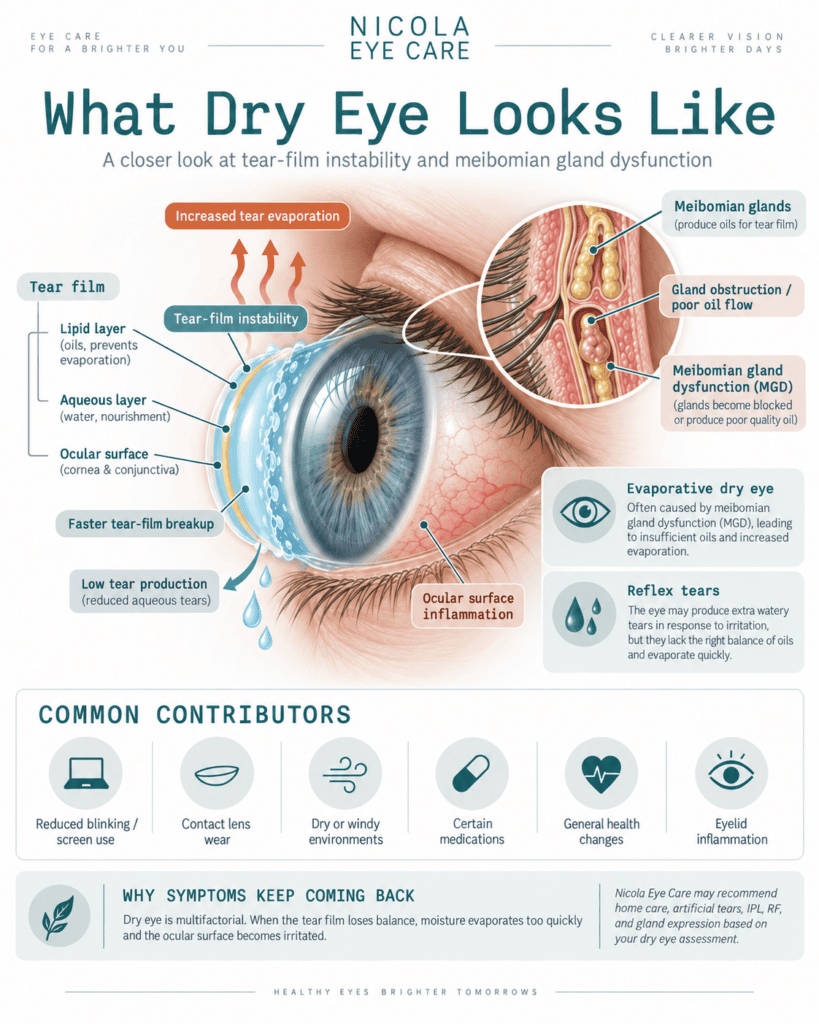
Dry eye is more complex than simply “not producing enough tears.” Your tear film, oil glands, environment, screen habits, contact lens wear, medications, and overall health all play a role. For some people, the issue involves meibomian gland dysfunction, where the tiny oil-producing glands along the eyelids aren’t working as they should.
At Nicola Eye Care, dry eye treatment in Kamloops starts with finding out what is contributing to your symptoms. Depending on what your assessment shows, your care plan might include home care, eye drops, changes to current products, or in-office treatments such as Intense Pulsed Light (IPL) and radiofrequency (RF). You can also take our dry eye quiz before your assessment to get a better idea of where you’re at.
What is the difference between IPL and RF dry eye treatment?
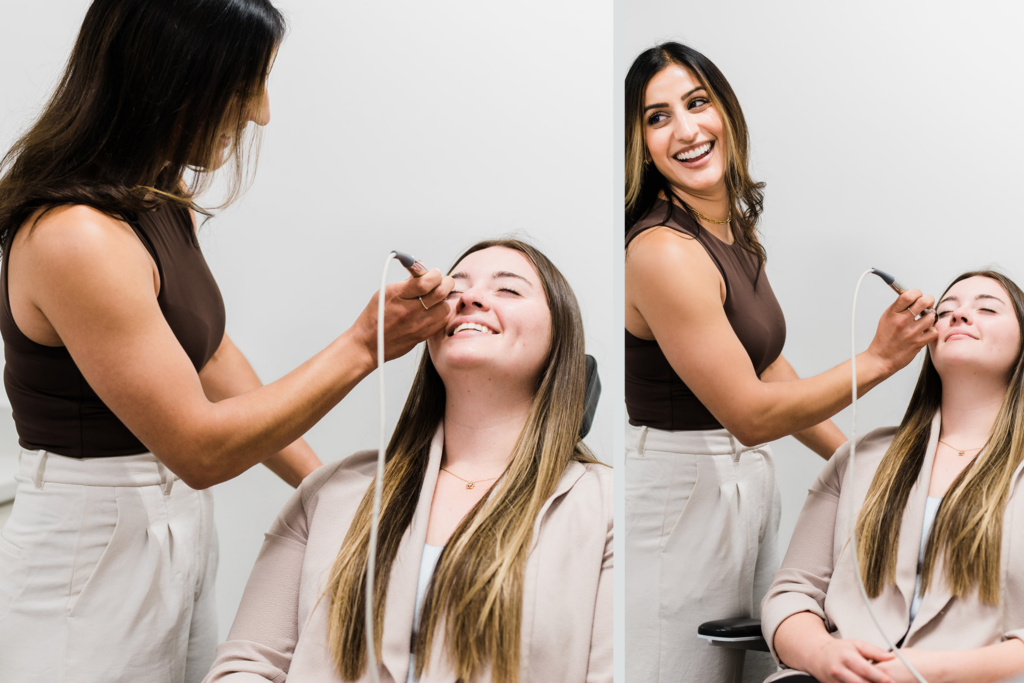
IPL and RF use different forms of energy and play different roles in dry eye treatment.
IPL, or Intense Pulsed Light, uses controlled pulses of light around the eye area. Research has focused largely on IPL for dry eye associated with meibomian gland dysfunction, with studies showing improvements in dry eye symptoms and measures of tear-film stability for some patients.
Radiofrequency, or RF, uses controlled heat. At Nicola Eye Care, RF forms part of a treatment approach designed to warm the meibomian glands and support the movement of oils within them. It’s followed by gland expression when appropriate.
They are different treatments, and neither automatically makes sense for every person with dry eye. Your eye health, symptoms, tear film, and gland function help determine which treatment approach fits your eyes.
Why dry eye keeps coming back
Dry eye disease involves a loss of balance in the tear film covering the surface of your eyes. The Tear Film & Ocular Surface Society describes dry eye as a multifactorial condition, meaning several factors often contribute.
Your tears need the right composition to stay stable between blinks. When the tear film breaks down too quickly, moisture evaporates from the surface of your eyes faster than it should. TFOS research identifies increased tear evaporation and faster tear-film breakup as common features of dry eye disease.
Several factors might contribute, including:
- Poor oil production from the meibomian glands
- Low tear production
- Screen use and reduced blinking
- Contact lens wear
- Dry or windy environments, which Kamloops has both
- Certain medications
- Changes in general health
- Eyelid or ocular surface inflammation
This is why the same dry eye treatment does not make sense for everyone.
If you’re using drops throughout the day and still dealing with recurring burning, watering, fluctuating vision, grittiness, or tired eyes, your symptoms deserve a closer assessment.
The role of the meibomian glands
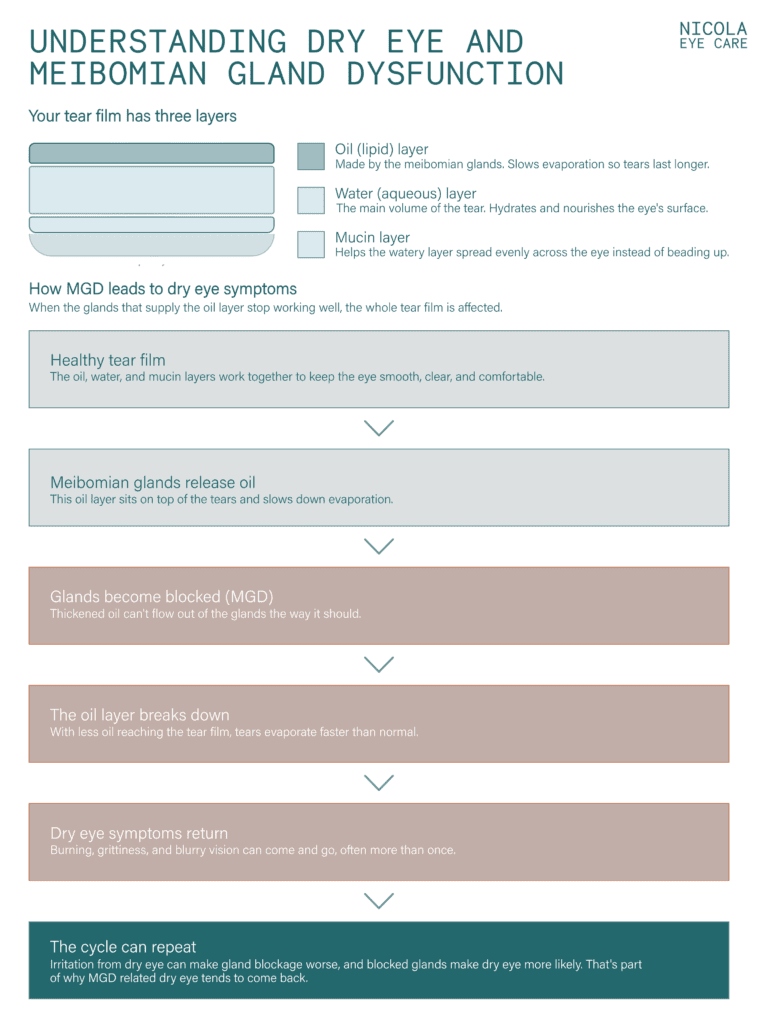
Along the edges of your upper and lower eyelids are rows of tiny glands called the meibomian glands.
These glands produce oils which help stabilize your tear film and slow evaporation. Every time you blink, those oils spread across the surface of your tears.
When the glands become obstructed or stop releasing healthy oils properly, your tear film loses some of its protection against evaporation. This is known as meibomian gland dysfunction, or MGD.
MGD is an important contributor to evaporative dry eye. TFOS notes the significant role meibomian gland dysfunction plays in dry eye disease and recommends looking at gland function, tear production, tear-film quality, and other factors together when assessing a patient.
And yes, dry eyes sometimes water a lot.
When the surface of your eye becomes irritated, your eyes might respond by producing reflex tears. Those tears do not necessarily contain the balanced mixture needed to create a stable tear film, so your eyes might feel dry and watery at the same time.
When eye drops help and when they fall short
Artificial tears are an important part of dry eye care for many people. They add lubrication to the surface of the eye and often provide quick relief from burning, grittiness, or irritation.
For mild or occasional symptoms, this might be all you need.
The issue arises when drops become the only strategy for symptoms driven by something else, such as poor meibomian gland function or rapid tear evaporation.
Adding moisture temporarily does not tell us why your tear film keeps becoming unstable.
The type of drop matters, too. Some people who need artificial tears frequently are advised to use preservative-free options because repeated exposure to certain preservatives might irritate the ocular surface. Your Kamloops optometrist will help determine which products make sense based on your eyes and how often you use them.
If you already use prescribed eye drops or another treatment, continue following your eye care provider’s directions unless they advise otherwise.
Frequent drop use combined with recurring symptoms is a good reason to investigate what is happening beneath the surface.
You can browse all of our available dry eye drops and ointments on our online shop.
What IPL dry eye treatment does
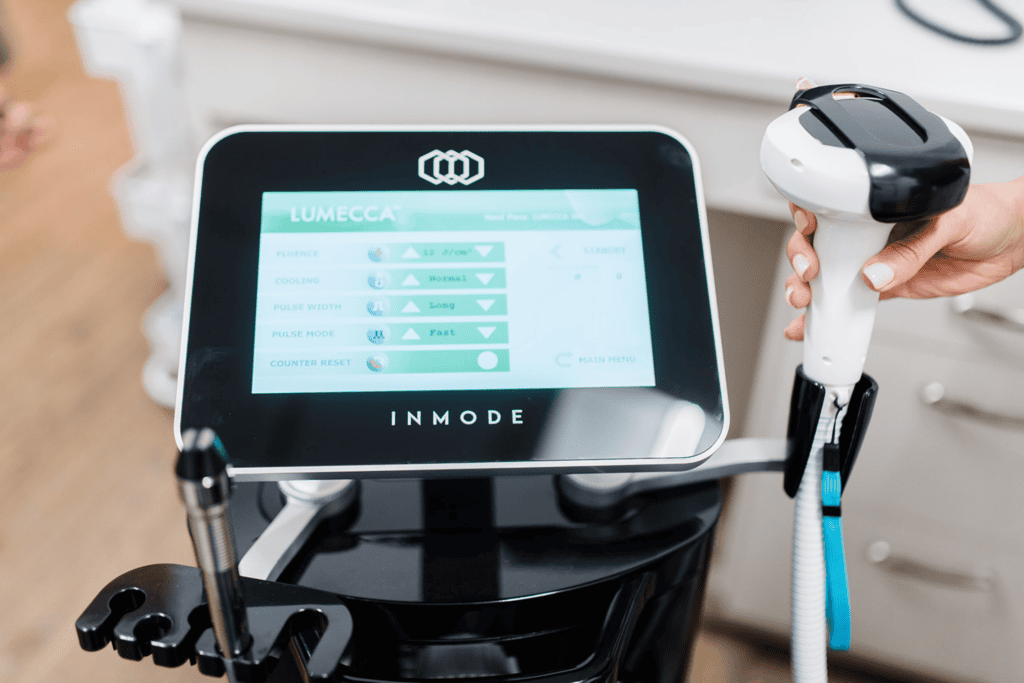
Intense Pulsed Light uses controlled pulses of light applied to specific areas around the eyes.
In dry eye care, IPL has primarily been studied in people with meibomian gland dysfunction. Research suggests IPL can improve dry eye symptoms and tear-film stability for some patients. However, results vary, and ongoing research continues to refine where IPL fits within dry eye management.
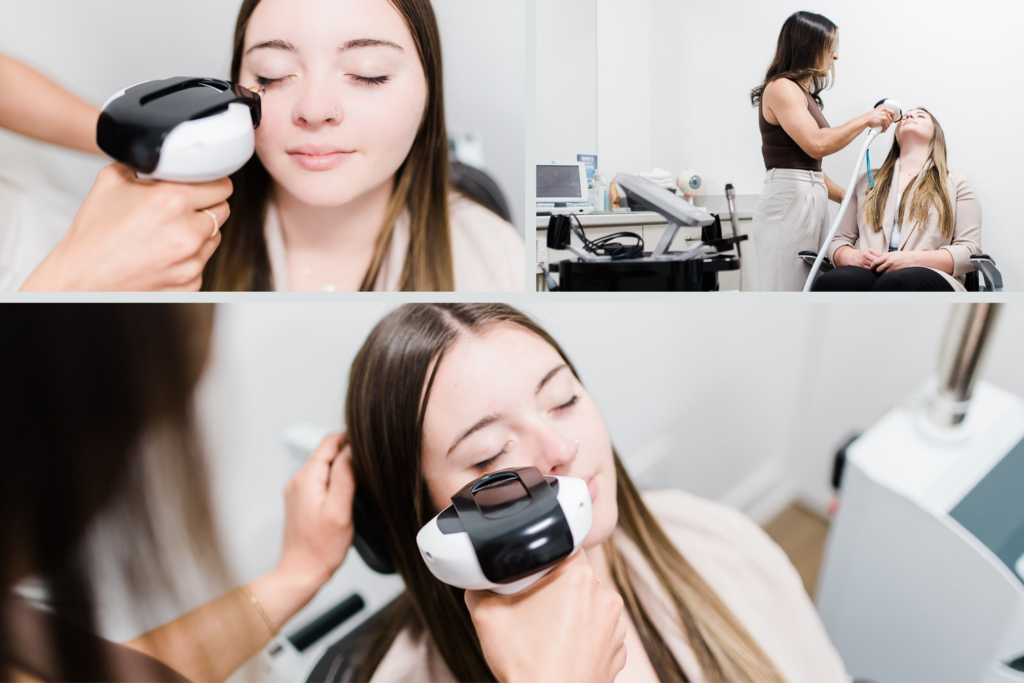
During treatment at Nicola Eye Care, protective eye shields are used while pulses of light are applied around the treatment area.
Most people describe IPL as brief pulses of warmth or light snapping sensations rather than significant pain. Temporary warmth or redness around the treated area might occur afterward.
IPL requires appropriate screening before treatment. Your health history, medications, skin considerations, eye health, and other factors need to be reviewed first.
For a deeper look at this treatment, read Nicola Eye Care’s guide to IPL treatment benefits or visit the IPL for Dry Eyes service page.
What radiofrequency treatment does
Radiofrequency treatment, often shortened to RF, takes a different approach.
RF delivers controlled warmth to the treatment area. When meibomian gland oils have become thick or difficult to release, warming the area helps soften those oils before gland expression.
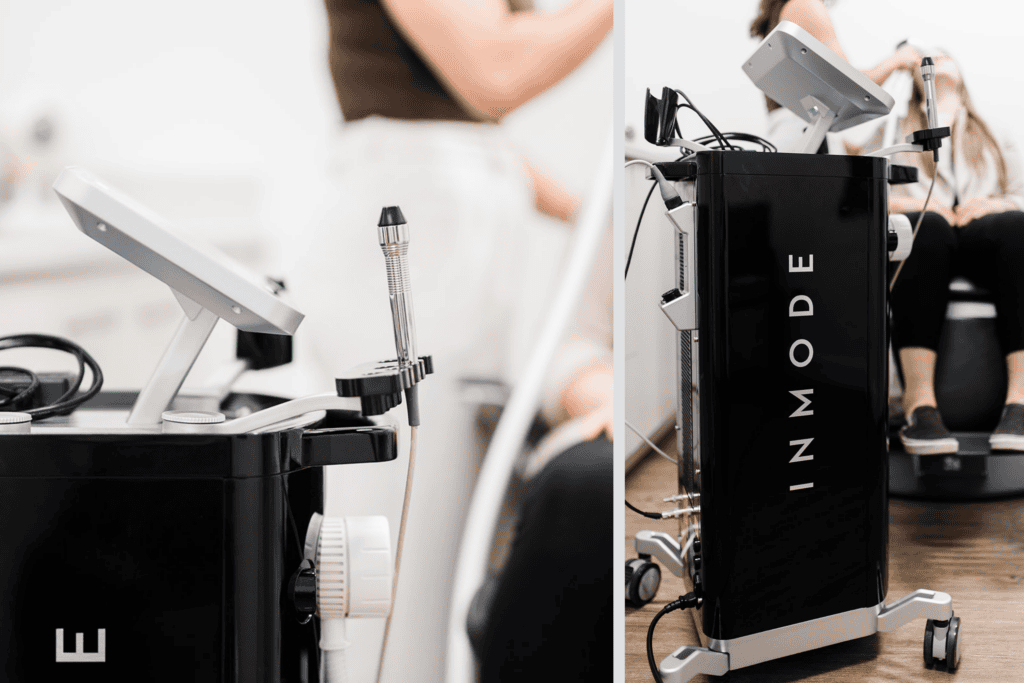
At Nicola Eye Care, RF forms part of a broader dry eye treatment approach rather than being treated as a stand-alone solution. The clinic’s current process pairs RF with manual gland expression, allowing the doctor to address oils which are not flowing properly.
Patients typically experience warmth throughout RF treatment.
You might wonder how this differs from placing a warm compress over your eyes at home. Both approaches involve heat, but in-office RF provides controlled energy under the supervision of the eye care team. A home compress still has a useful place in some dry eye care plans, but the two approaches are not interchangeable.
Your assessment helps determine whether RF belongs in your treatment plan.
Why Nicola combines IPL and RF
Dry eye rarely comes down to one single factor, so Nicola Eye Care approaches treatment with the same mindset.
When meibomian gland dysfunction contributes to a patient’s symptoms, the clinic uses RF, manual gland expression, and IPL as complementary parts of treatment. RF provides controlled warmth to support oil flow, gland expression helps release material from affected glands, and IPL addresses another part of the dry-eye and MGD treatment picture.
This staged approach allows the team to work with several factors affecting tear-film stability rather than relying on one treatment alone.
Your exact treatment schedule is reviewed with you before beginning care and is based on your assessment and treatment needs.
Who might be a candidate?
IPL or RF is not appropriate for every person with dry eye.
These treatments might enter the conversation when someone experiences:
- Recurring dry eye symptoms
- Meibomian gland dysfunction
- Limited relief from basic home care
- Frequent burning, grittiness, watering, or irritation
- Contact lens discomfort related to dryness
- Screen-related dry eye discomfort
- Symptoms which interfere with work, reading, driving, or other daily activities
Candidacy depends on more than symptoms alone.
An optometrist needs to assess what is happening with your tear film, eyelids, meibomian glands, eye health, current treatments, medications, and health history before recommending a treatment plan.
If you are unsure whether your symptoms fit dry eye disease, Nicola Eye Care also offers specialty eye care in Kamloops for concerns requiring a closer look.
What happens during a dry eye assessment
A dry eye assessment is about finding patterns rather than treating every irritated eye the same way.
Your eye care team will want to understand:
Your symptoms
What do your eyes feel like? When are symptoms worse? How long have they been happening? Do they fluctuate throughout the day?
Your tear film
Your optometrist assesses how well your tears are supporting and protecting the surface of your eyes.
Your meibomian glands
The health and function of the oil-producing glands in your eyelids matter, especially when evaporative dry eye or MGD is suspected.
What you already use
Bring information about your current artificial tears, eye drops, warm compresses, lid products, contact lenses, and previous dry eye treatments.
Your medications and health history
Dry eye has many possible contributors, so looking at the broader picture matters.
From there, Nicola Eye Care’s optometrists and optical team build a care plan based on what your eyes need. For one person, this might centre around home care. For another, treatment for meibomian gland dysfunction might become part of the plan.
The goal is to understand the reason behind the symptoms instead of guessing based on symptoms alone.
How long do results last?
There is no single timeline for dry eye treatment results. Dry eye is often an ongoing condition, and response to treatment differs based on the underlying cause, severity of gland dysfunction, health factors, environment, daily habits, and home care.
Some people need maintenance treatment after their initial treatment series. Others need changes to their routine or additional therapies over time. Even when symptoms improve, your eyes continue changing. Screen habits shift. Seasons change. Medications change. Contact lens use changes. Meibomian gland function changes.
Follow-up allows your optometrist to reassess your tear film and symptoms and decide what ongoing care makes sense.
Cost and insurance
Dry eye care varies from patient to patient, so Nicola Eye Care reviews treatment recommendations and associated costs based on the care plan recommended for your eyes.
IPL is not covered by MSP and is not typically included in extended health insurance plans because it is considered a specialty dry eye therapy. Nicola’s team will review current costs with you before treatment begins.
Coverage differs between insurance providers and plans. If you have extended health benefits, check your individual policy or ask the Nicola Eye Care team what information is available for submitting your claim.
If recurring symptoms are affecting your comfort, contact lens wear, workday, or everyday activities, book a dry eye assessment with Nicola Eye Care to learn what is contributing to your symptoms and which treatment options fit your eyes.
Why Kamloops makes dry eye worse
Kamloops sits in one of the driest, sunniest pockets of British Columbia, and that climate works against your tear film more than most people realize.
Summers here run hot and low humidity, which speeds up how fast tears evaporate off the surface of your eyes. Add wildfire smoke, which tends to show up most summers and can linger into early fall, and you’ve got airborne irritants layered on top of already-dry air, a combination that brings dry eye symptoms out in people who barely notice them the rest of the year.
Wind plays a part too. Kamloops’ valley setting means more wind exposure than a lot of coastal cities get, and wind pulls moisture off the surface of your eyes the same way it dries out anything else left out in it.
Winter brings a different version of the same problem. Furnaces and forced-air heating dry out indoor air, so even when you’re not dealing with heat, smoke, or wind outside, the air inside your home or office can be working against your eyes just as much.
None of this means dry eye is inevitable if you live here. It means climate is a real contributing factor for a lot of Kamloops patients, on top of screen use, contact lens wear, and the other causes above. If your symptoms tend to flare in summer, during smoke season, or once the heat kicks on for winter, that pattern is worth mentioning at your assessment.

Frequently Asked Questions
Is IPL safe for dry eye?
IPL has been studied as a treatment for dry eye associated with meibomian gland dysfunction. A recent systematic review found evidence supporting improvement in dry eye symptoms compared with placebo, while also noting uncertainty around adverse-event evidence and the need for further research into IPL as an addition to standard care.
Safety screening matters. Your eye care provider needs to review your health history, medications, skin considerations, eye health, and other contraindications before recommending treatment.
Does IPL dry eye treatment hurt?
Most patients find IPL tolerable. During treatment, you might notice warmth or a brief snapping sensation as pulses are delivered. Nicola Eye Care’s current patient information describes IPL as generally comfortable, with mild temporary warmth or redness possible afterward.
How many treatments will I need?
Treatment schedules depend on your eyes, symptoms, gland function, and response to care. Nicola Eye Care uses IPL and RF as part of a staged dry eye treatment approach and reviews the recommended schedule with patients before treatment begins.
How long do IPL and RF results last?
There is no guaranteed duration. Results and maintenance needs vary based on the cause and severity of your dry eye, meibomian gland function, health, environment, home care, and other individual factors. Follow-up assessments help determine whether additional or maintenance treatment makes sense.
Is dry eye treatment covered by insurance?
Coverage depends on the treatment and your insurance plan. IPL is not covered by MSP and is not typically included in extended health plans, according to Nicola Eye Care’s current service information. Contact your insurer and Nicola Eye Care for current information related to your treatment plan.
What is the difference between IPL and RF?
IPL uses pulses of light around the eye area and has been studied for dry eye associated with meibomian gland dysfunction. RF uses controlled warmth and, at Nicola Eye Care, supports the process of warming meibomian gland oils before manual gland expression.
Nicola uses the therapies as complementary parts of its dry eye treatment approach rather than treating them as identical technologies.
Am I a candidate if eye drops have not helped?
Recurring symptoms despite regular eye drop use are a good reason to book a dry eye assessment, but they do not automatically mean IPL or RF is appropriate.
Your optometrist first needs to determine why your symptoms keep returning. If meibomian gland dysfunction or another treatable contributor is identified, your care plan will reflect those findings.
Do I need to stop wearing contact lenses?
Contact lens wear is an important part of your dry eye assessment because lenses sometimes influence comfort and symptoms. Instructions around contact lens wear before an assessment or treatment depend on the appointment and your individual situation.
Nicola Eye Care will provide specific instructions before your visit if you need to leave your lenses out for a set period.
Does Kamloops’ dry climate make dry eye worse?
For a lot of patients, yes. Kamloops’ hot, dry summers, wildfire smoke season, and dry winter air from forced-air heating can all speed up tear evaporation and make dry eye symptoms more noticeable at certain times of year. Climate is usually one contributing factor among several, not the sole cause, which is why an assessment still matters even if your symptoms clearly track with the seasons.
Stop treating recurring dry eye like a temporary problem
If eye drops offer relief for a few hours before the burning, watering, grittiness, or blurry vision returns, there might be more to investigate.
Understanding what is happening with your tear film and meibomian glands gives your optometrist more information to build a treatment plan around your eyes.
Book a dry eye assessment with Nicola Eye Care in Kamloops to learn what is causing your symptoms and which treatment options fit your eyes.